Cosmetics
10 Questions Answered by Somebody Who Lives With It

Mar

When you’ve ever been advised you’re “double-jointed,” otherwise you discover your joints bending in methods different folks’s don’t, you could be hypermobile. For lots of people, versatile joints aren’t any large deal. However for others, myself included, hypermobility signs go far past being flexible, and so they can have an effect on practically each a part of your physique.
I used to be formally recognized with hypermobility by a bodily therapist throughout my restoration from my double mastectomy and reconstruction surgical procedures. However the reality is, I’d been dwelling with hypermobility signs for many of my life with out realizing they had been all linked. The simple bruising, the joints that appeared to roll and pop continually, the accidents that got here out of nowhere. I simply thought that was how my physique labored. Getting a analysis lastly gave me a framework to know why my physique does what it does.
Since my analysis, hypermobility has prompted my ft to go up two full shoe sizes in simply two years, made my pores and skin heal poorly and bruise on the slightest bump, and turned workouts like bench press into damage minefields due to hyperextending elbows. Add in power joint ache, swelling in my ft and ankles, and poor pores and skin elasticity, and also you begin to perceive why that is about a lot greater than flexibility.
Whether or not you’re newly recognized or simply beginning to join the dots by yourself signs, listed below are the highest 10 questions folks seek for about hypermobility, answered by somebody who lives with it day by day.
What Is Hypermobility?
Hypermobility means your joints can transfer past what’s thought of a typical vary of movement. You might have heard the time period “double-jointed.” It’s the identical idea, although you don’t even have further joints. Probably the most generally affected joints are the elbows, wrists, fingers, and knees.
For many individuals, being versatile is innocent and even a bonus (assume dancers or gymnasts). About 10 to 25% of the overall inhabitants is hypermobile to some extent. However when that flexibility comes with ache, instability, fatigue, and different systemic points, it crosses into what’s often called a hypermobility spectrum dysfunction (HSD) or, in additional particular circumstances, hypermobile Ehlers-Danlos syndrome (hEDS).
The underlying concern is within the connective tissue. Particularly, how your physique produces collagen. Collagen is the protein that provides construction and energy to your pores and skin, ligaments, tendons, and extra. When collagen is extra lax or stretchy than it must be, joints lose stability and grow to be susceptible to damage, and hypermobility signs can present up in methods you may by no means anticipate.
Collagen
I’ve been taking Do Not Age Hydrolysed Collagen Peptides for years. I began taking it primarily for my pores and skin. It’s alleged to help connective tissue construction, pores and skin elasticity and joint integrity.
What Are the Most Widespread Hypermobility Signs?
Hypermobility signs go nicely past versatile joints. Folks with symptomatic hypermobility generally expertise joint and muscle ache (usually power), frequent dislocations, subluxations, and sprains, simple bruising and poor wound therapeutic, and pores and skin that feels gentle and velvety however is fragile. There’s additionally power fatigue, digestive points together with IBS-like signs, dizziness and fainting (linked to autonomic dysfunction), flat ft and ankle instability, stretch marks showing at a younger age or in uncommon locations just like the elbows or chest, nervousness, and mind fog.
Wanting again, I’ve skilled most of those hypermobility signs for so long as I can bear in mind. The bruising and poor pores and skin elasticity had been a number of the earliest indicators, however I didn’t have a reputation for it till my bodily therapist linked the dots throughout my post-surgery restoration. I bruise from issues that wouldn’t depart a mark on most individuals. As soon as I had the analysis, all of a sudden a lifetime of “random” points made sense.
Is Hypermobility Genetic?
Sure, hypermobility tends to run in households. It follows an autosomal dominant inheritance sample, which signifies that if one dad or mum is affected, every youngster has roughly a 50% likelihood of inheriting the situation. Nonetheless, the severity can differ broadly even inside the similar household. One particular person may simply be “flexible” whereas one other has debilitating ache and frequent accidents. So far as I’m conscious, nobody else in my household has hypermobility.
The particular genes liable for hEDS haven’t but been recognized, which is one motive there’s no genetic check for it (not like some rarer types of Ehlers-Danlos syndrome). Researchers imagine it entails adjustments in how collagen and different structural proteins are produced, however the actual genetic mechanism stays a serious space of ongoing research. Spontaneous mutations (known as de novo mutations) may happen, which means somebody may very well be the primary of their household to have it.
How Is Hypermobility Identified?
Analysis for hypermobility usually begins with a medical evaluation. Probably the most broadly used instrument is the Beighton rating, a nine-point scale that assessments the flexibleness of particular joints: bending your little fingers again previous 90 levels, touching your thumbs to your forearms, hyperextending your elbows, hyperextending your knees, and bending ahead to put your palms flat on the ground. A rating of 4 or extra, mixed with joint ache lasting at the very least three months, could point out hypermobility syndrome.
There’s additionally a five-question screening questionnaire that asks about your historical past of flexibility, contorting your physique as a baby, and any historical past of dislocations. Answering sure to 2 or extra suggests generalized joint hypermobility.
My very own analysis got here considerably unexpectedly. I used to be working with a bodily therapist on restoration from my double mastectomy and reconstruction surgical procedures when she observed my joints had been persistently shifting nicely past regular vary throughout our workouts. She formally assessed me and confirmed hypermobility. It was validating but in addition eye-opening. I’d spent a long time experiencing these signs with out anybody placing the items collectively.
One essential word: hypermobility usually goes underdiagnosed. The signs are variable, no single blood check confirms it, and plenty of clinicians lack familiarity with the situation. When you suspect you’re hypermobile, in search of out a rheumatologist or a supplier who focuses on connective tissue problems could make a giant distinction.
Hypermobility vs EDS: What’s the Distinction?
Understanding hypermobility vs EDS is without doubt one of the mostly requested questions, and the road between them may be genuinely complicated. Hypermobility by itself, with out ache or different points, is named asymptomatic joint hypermobility and doesn’t require therapy. When signs like ache, instability, and different systemic points are current, it falls below the umbrella of hypermobility spectrum problems (HSD).
Hypermobile Ehlers-Danlos syndrome (hEDS) is a selected analysis inside the broader class of the Ehlers-Danlos syndromes, a gaggle of 13 heritable connective tissue problems. hEDS is the most typical kind, accounting for about 90% of EDS circumstances. It has extra particular and restrictive diagnostic standards that had been up to date in 2017, requiring generalized joint hypermobility together with further systemic options like pores and skin involvement, musculoskeletal issues, or a household historical past.
Your analysis could evolve over time. For instance, somebody initially recognized with HSD may later meet the factors for hEDS as further signs develop. Each situations are taken significantly and managed equally. The excellence between hypermobility vs EDS issues extra for analysis classification than on your day-to-day therapy plan.
Hypermobility and Bruising: Why Do I Bruise So Simply?
The connection between hypermobility and bruising is one that basically hits house for me. The simple bruising and sluggish therapeutic aren’t simply coincidences. They’re immediately linked to the connective tissue variations that outline hypermobility situations.
The structural proteins in your pores and skin (collagen, fibrillin, fibronectin) aren’t knit collectively as tightly as in somebody with out the situation. This makes your small capillary blood vessels extra fragile, so that they break extra simply below strain, resulting in bruises from what looks like nothing. It’s not a clotting downside; blood assessments for coagulation normally come again regular. The bruising is brought on by the fragility of the pores and skin and blood vessel partitions themselves.
Poor wound therapeutic is a characteristic seen from an early age in hypermobility syndromes. The identical collagen variations that make joints unfastened additionally decelerate the pores and skin’s skill to restore itself. Scars could also be wider, thinner, or extra outstanding than anticipated, typically described as “papyraceous” or “cigarette paper” scars. Stretch marks may seem early in life and in atypical areas just like the inside arms, chest, or elbows.
Nails are one other factor most individuals don’t affiliate with hypermobility. Mine are further flexible, further versatile, and need to break continually, so I’m all the time utilizing CND Rescue RXX on them. The identical connective tissue variations that have an effect on your pores and skin and blood vessels additionally have an effect on the nail mattress, leaving nails softer and extra susceptible to peeling, splitting, and bending.
I’ve handled hypermobility and bruising my total life. I used to assume I used to be simply clumsy or had skinny pores and skin, nevertheless it seems the fixed thriller bruises are a trademark of this situation. There’s no method to “repair” the underlying collagen distinction, however common skincare (avoiding pointless trauma, permitting wounds further time to heal, and defending pores and skin from solar harm) may help handle issues. Some analysis additionally suggests vitamin C supplementation could help collagen synthesis and cut back bruising, although extra proof is required.
Hypermobility Flat Ft: Can Hypermobility Change Your Ft?
Completely, and hypermobility flat ft are one of the crucial underrecognized methods this situation impacts day by day life. Your ft include 26 bones and 33 joints every. That’s loads of alternative for lax connective tissue to trigger issues.
Many individuals with hypermobility develop flat ft (pes planus) as a result of the ligaments supporting the arch grow to be too lax to carry their form below the pressure of gravity and physique weight. This collapse of the arch can, over time, make your ft wider and longer, which is precisely what occurred to me. My ft have gone up two full shoe sizes in two years as a result of the connective tissue merely isn’t holding issues collectively the way in which it ought to. It’s one of the crucial irritating hypermobility signs I cope with, as a result of it means continually changing sneakers and coping with foot ache that radiates upward.
Hypermobility flat ft are greater than a shoe buying inconvenience. When foot mechanics are altered, it creates a domino impact up the whole kinetic chain: your knees, hips, pelvis, and decrease again all compensate. You’re additionally extra inclined to ankle instability, power sprains, plantar fasciitis, bunions, and swelling within the ft and ankles.
Footwear with a robust heel counter, a strong higher, strong fastening, and a cushioned midsole are really helpful. Customized orthotics from a podiatrist may assist management extreme joint movement. Importantly, strengthening workouts for the intrinsic foot muscle mass, like brief foot workouts utilizing resistance bands as tactile cues, can really assist rebuild arch help over time, moderately than simply counting on passive help from insoles alone.
Train with Hypermobility: Is It Secure to Work Out?
Sure, and in reality, train with hypermobility is without doubt one of the most essential instruments you’ve got. Strengthening the muscle mass round your joints offers them the steadiness that your looser ligaments can’t present on their very own. Analysis has proven that individuals with hypermobility can construct energy at an analogous price to non-hypermobile folks, although they could be ranging from a weaker baseline.
That stated, how you strategy train with hypermobility issues enormously. Right here’s what I’ve realized the arduous manner:
By no means lock out your joints.
That is important. After I was doing bench press, I used to be hyperextending my elbows at lockout with out even realizing it. That places huge stress on ligaments and joint capsules moderately than muscle mass. Cease simply wanting full extension on presses, squats, and any motion the place you’d usually “lock out.”
Prioritize stability earlier than energy.
Begin with isometric workouts like wall sits, planks, and glute bridges. Construct a strong basis of neuromuscular management earlier than chasing heavier weights. I additionally like to do tree pose in yoga; balancing on one foot at a time helps.
Use lighter masses with strict type.
The purpose isn’t to elevate the heaviest weight doable, although this was undoubtedly my purpose initially. It’s to construct joint stability and muscle management. Resistance bands and glued machines may be nice beginning factors as a result of they management the motion path for you. Resistance bands are particularly nice as a result of they decrease the danger of damage.
Keep away from overstretching.
This one surprises folks, but when your joints have already got extreme vary of movement, stretching deeper simply makes issues worse. Give attention to lively flexibility inside your mid-range moderately than passive stretching into excessive positions. Yoga is definitely how I first injured my Achilles tendon. After I went to get it checked out, the response was, “Oh yeah, it’s since you’re hypermobile. I figured you already knew that.” No, that was information to me at 46. That have taught me that even “light” workouts require modifications while you’re hypermobile.
Contemplate working with knowledgeable.
A bodily therapist or coach who understands hypermobility may help you develop a protected development. Low-impact actions like yoga, swimming, biking, Pilates, and strolling are additionally glorious choices for train with hypermobility.
Yoga, strolling, the rowing machine, resistance manufacturers and energy coaching are all in my present train routine.
Is There a Treatment for Hypermobility?
There may be at present no treatment for hypermobility or the connective tissue problems related to it. The underlying genetic variations in how your physique produces collagen and different structural proteins can’t be reversed with remedy or procedures.
Nonetheless, that doesn’t imply you’re with out choices. Remedy focuses on managing signs, defending your joints, and bettering your high quality of life. A multidisciplinary strategy tends to work finest: bodily remedy to construct energy and enhance proprioception, occupational remedy for day by day joint safety methods, ache administration (together with each remedy and approaches like cognitive behavioral remedy), podiatry for foot and ankle help, and common monitoring from specialists as wanted.
For many individuals, good posture habits, supportive footwear, constant strengthening train, and studying to maneuver inside a protected vary of movement can dramatically cut back flare-ups and enhance perform. It’s a situation you handle, not one which’s fastened. However efficient administration could make an incredible distinction in the way you expertise your hypermobility signs day after day.
Can Hypermobility Get Worse with Age?
This one is nuanced. For some folks, particularly these with milder, asymptomatic hypermobility, flexibility really decreases naturally with age, and the situation turns into much less noticeable. Youngsters and younger folks are usually essentially the most hypermobile.
However for these with symptomatic hypermobility, the secondary results can worsen over time. Years of joint instability can result in degenerative joint illness, power gentle tissue accidents, and cumulative harm. Muscular tissues which have been compensating for unfastened ligaments could fatigue, resulting in deconditioning. Adjustments in exercise stage, stress, damage, being pregnant, or hormonal shifts can tip a hypermobile physique from “managing” to “disaster.”
The connective tissue laxity itself doesn’t essentially worsen, however the downstream penalties of dwelling in a hypermobile physique can accumulate. I can say from my very own expertise that whereas I’ve had hypermobility signs most of my life, it wasn’t till extra just lately that issues like my ft altering measurement and the power swelling actually escalated. That is precisely why proactive administration (strengthening workouts, joint safety, and common check-ins with healthcare suppliers) is so essential at each stage.
Bonus: Perimenopause, Estrogen, and Hypermobility
One thing that doesn’t get talked about practically sufficient is how hormones work together with hypermobility. Estrogen, progesterone, and different reproductive hormones have a direct impact on connective tissue, and when these hormones fluctuate or are out of steadiness, hypermobility signs can flare in a giant manner.
Estrogen helps protect muscle mass and helps collagen creation. It performs an important position in sustaining connective tissue well being by enhancing collagen manufacturing, which is important for joint stability. So when estrogen ranges swing wildly throughout perimenopause, or drop off throughout menopause, many individuals with hypermobility discover their signs getting considerably worse. Analysis reveals that round 61% of individuals with hEDS report elevated joint ache, instability, and fatigue throughout this transition.
However right here’s the factor that caught me off guard: an excessive amount of estrogen will also be an issue. I used to be just lately on an excessive amount of estrogen for a number of months, and it triggered intense joint ache flares. The connection between estrogen and connective tissue isn’t so simple as “extra is healthier” or “much less is worse.” Larger estrogen ranges have been related to elevated knee laxity in girls. Discovering the proper hormone ranges is particular person, and it could take time and trial and error. For somebody with hypermobility, the place connective tissue is already extra lax than it must be, that steadiness is much more delicate.
Perimenopause, the part with variable hormone fluctuations, tends to be more difficult than menopause itself, when estrogen stabilizes at low ranges. These speedy hormonal swings are what make perimenopause so destabilizing for hypermobile our bodies. Multiple-third of individuals in a single research skilled a worsening of signs earlier than their durations whereas in perimenopause, and a few researchers word that perimenopause may even be when hEDS is first recognized as a result of signs escalate so noticeably.
Progesterone tends to enhance joint laxity, so it must be used with warning in hypermobile folks. Which means for those who’re on HRT or hormonal contraceptives, the precise formulation issues. HRT can influence collagen manufacturing within the pores and skin, doubtlessly bettering pores and skin elasticity and hydration, however the steadiness between estrogen and progesterone must be fastidiously managed together with your supplier.
When you’re hypermobile and coming into perimenopause, or for those who’re on any type of hormonal remedy, it’s value having a dialog together with your physician about how your hormones could be amplifying your hypermobility signs. That is nonetheless a vastly under-researched space, however consciousness is rising, and getting your hormone ranges checked may very well be an essential piece of the puzzle. I’m at present ready to see an HRT specialist right here within the Netherlands who may help me higher handle my perimenopause and estrogen, as I take a progesterone solely capsule, in addition to two completely different estrogen medicines.
Footwear
Footwear are integral to style, and I undoubtedly really feel like my shoe recreation is the weakest it’s ever been proper now. I’ve needed to say goodbye to virtually all of my Strangecvlt. I removed loads of sneakers that I’ve bought as nicely, as a result of they not match me or damage to put on. However I’m essentially the most heartbroken over loads of the cool sneakers that I discovered thrifting that not match. I’m right down to sporting one pair of sneakers for every part proper now.
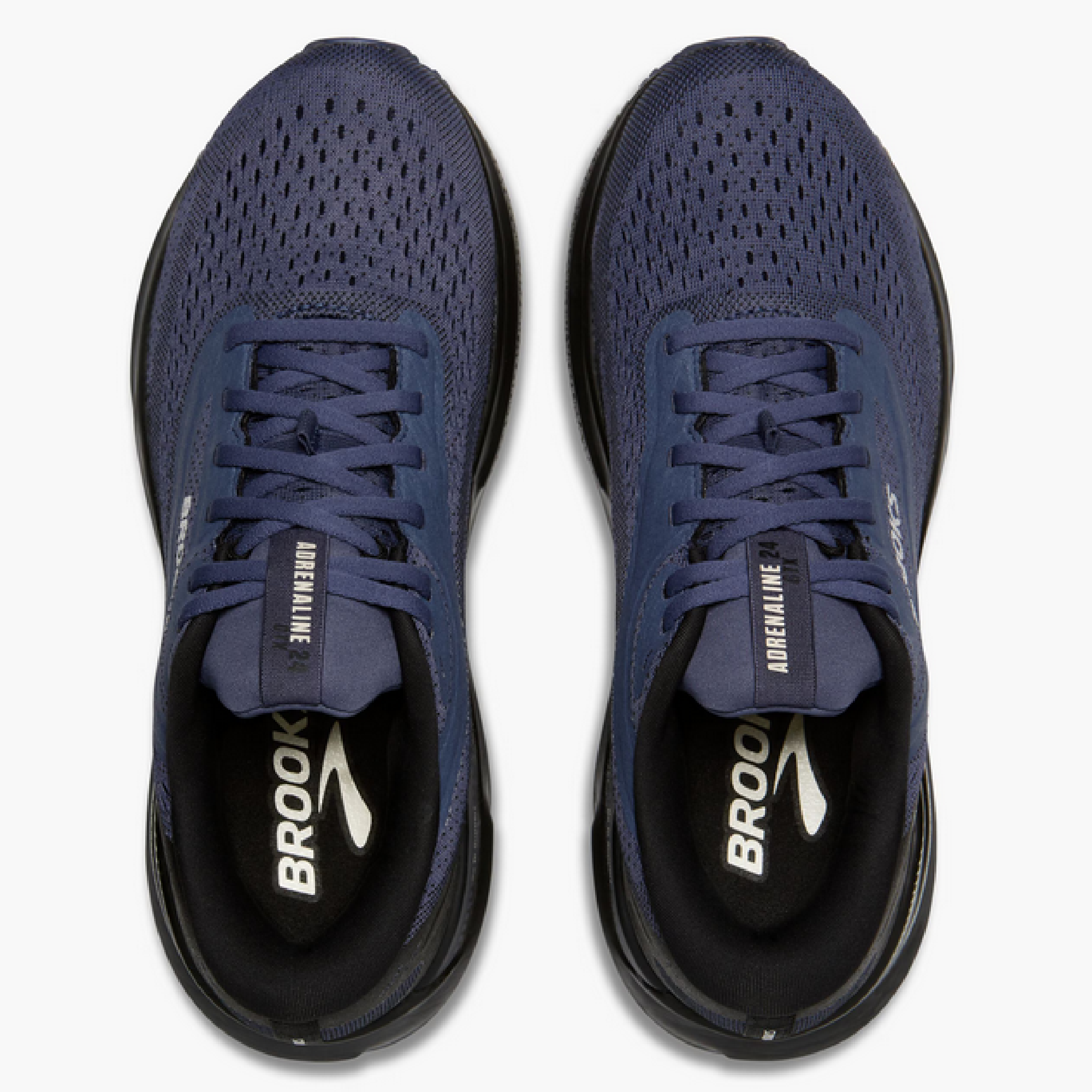
The primary pair of sneakers that I’ve discovered which are comfy for me are the Brooks Adrenaline GTS 24 GTX sneakers measurement 40,5. Waterproof sneakers are a should within the Netherlands and the Brooks Working Footwear match that as a result of they’ve a water-resistant GORE-TEX(R) layer. They’re cushioned and do an excellent job supporting my ft. And that is the pair of sneakers that I put on in all places, with every part, proper now.
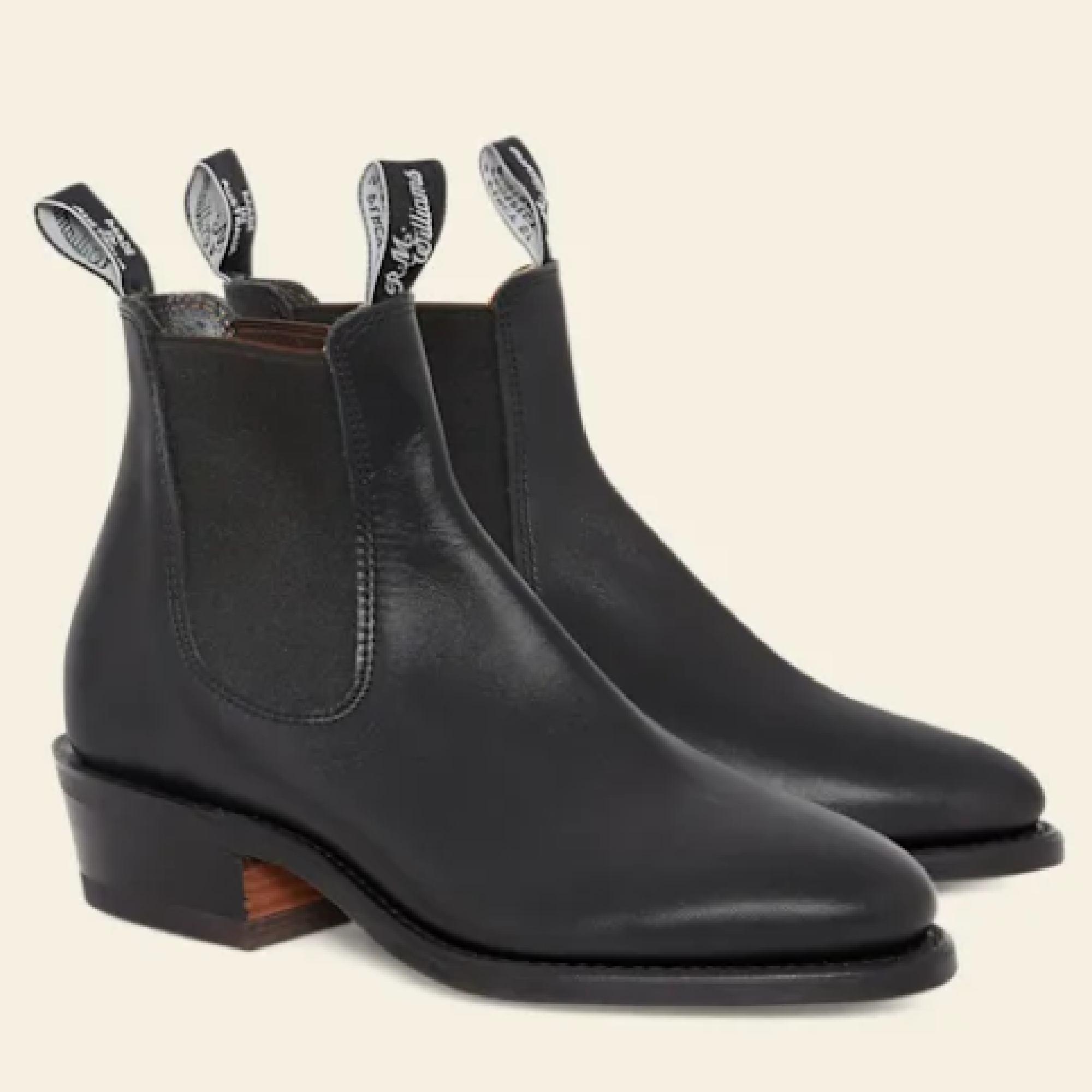
Dave has helped me analysis for boots and it appears just like the RM Williams Woman Yearling Boot could be an excellent substitute for the Taos Crave Boot that I beloved. I now know my ft are too large for my previous pair.
The RM Williams Woman Yearling Boots are designed for all day put on and luxury, strolling lengthy distances, with a tiny 4.5cm block heel and rubber sole. Whereas I choose pointed toed sneakers, almond toe is extra forgiving for hypermobility. The three/4 Goodyear welt signifies that it’s absolutely repairable. As I wore my Taos Crave boots for 8 years, I choose to buy objects which are purchase it for all times high quality and may be repaired when wanted.
Ultimate Ideas
Dwelling with hypermobility is an ongoing studying course of. I’m nonetheless determining which sneakers work now that my ft are a very completely different measurement, easy methods to modify my exercises to keep away from damage, and easy methods to clarify to folks that “sure, being versatile can really damage.” Having lived with these signs most of my life and solely getting recognized throughout bodily remedy for an unrelated surgical procedure, I do know firsthand how simple it’s for hypermobility to fly below the radar.
If any of this resonates with you, I’d encourage you to speak to your physician or bodily therapist about an evaluation. Hypermobility signs are extraordinarily frequent, however the situation can be extraordinarily underdiagnosed. Getting a correct analysis may be step one towards understanding your physique higher and getting the help you want.
Have you ever been recognized with hypermobility or hEDS? I’d love to listen to about your expertise within the feedback.
Disclaimer: I’m not a medical skilled. This text relies on my private expertise with hypermobility and publicly obtainable medical assets. Please seek the advice of your healthcare supplier for personalised medical recommendation.